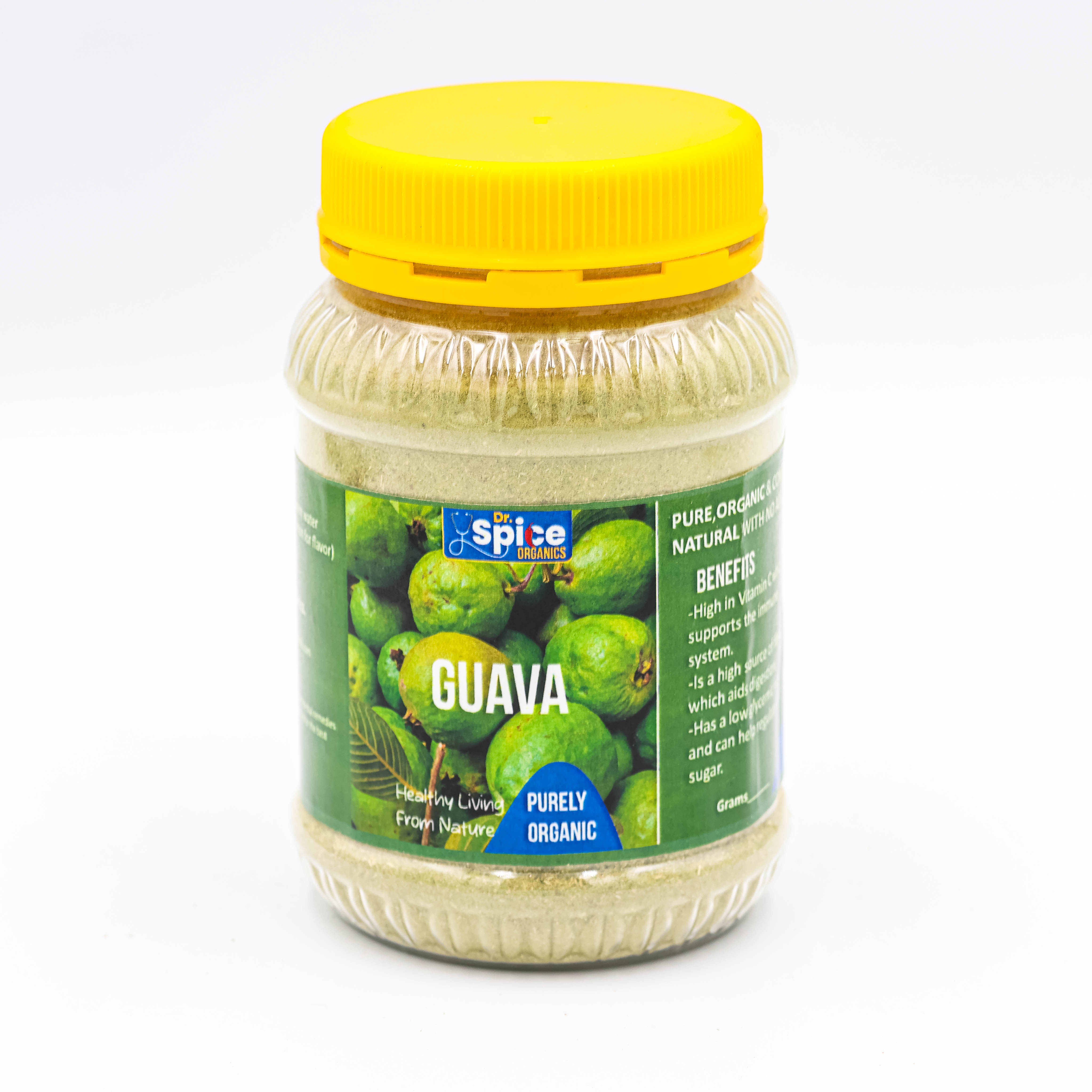
Guava leaf powder is one of the most concentrated and versatile forms of guava supplementation. It is made by drying fresh guava leaves and grinding them into a fine powder, preserving the full spectrum of bioactive compounds including flavonoids, phenolic acids, tannins, and essential oils. The appropriate dosage depends on the health condition being addressed, individual factors such as age, weight, and overall health status, and whether the powder is taken alone or combined with other ingredients. The following recommendations are based on traditional use and available scientific studies.
Standard Daily Dosage
For general health maintenance and antioxidant support, the recommended dosage of guava leaf powder is 1 to 3 grams per day, divided into 2 to 3 equal doses. A common starting dose is 500 mg (half a gram) taken twice daily, which can be gradually increased to 1 gram taken two to three times daily as tolerated. The total daily intake should not exceed 3 grams unless under professional medical supervision.
For Blood Sugar Management
For supporting healthy blood glucose levels and managing type 2 diabetes, a dosage of 500 mg to 1000 mg (1 gram) of guava leaf powder taken 30 minutes before each main meal, up to three times daily, has been used in traditional practice. This equates to a total daily dose of 1.5 to 3 grams. The powder helps inhibit alpha-glucosidase and alpha-amylase enzymes, slowing carbohydrate digestion and reducing post-meal blood sugar spikes. Blood glucose levels should be monitored regularly when using guava leaf powder alongside diabetic medications.
For Digestive Health and Diarrhea
For acute diarrhea, gastroenteritis, and other digestive complaints, a dosage of 500 mg to 1 gram taken three times daily is commonly recommended. The high tannin content in guava leaves provides astringent properties that help bind intestinal mucosa and reduce fluid secretion. For best results, the powder should be taken between meals with a glass of water. Improvement is typically seen within 24 to 48 hours, and use should not exceed 3 to 5 days without medical evaluation.
For Anti-Inflammatory and Pain Relief
For reducing inflammation, joint pain, and general body aches, a dosage of 500 mg to 750 mg taken twice daily (total 1 to 1.5 grams per day) is recommended. The triterpenoids and flavonoids in guava leaf powder inhibit pro-inflammatory mediators, providing natural relief without the side effects associated with conventional anti-inflammatory drugs.
For Cardiovascular Support
For maintaining healthy blood pressure and cholesterol levels, a dosage of 500 mg to 1 gram taken twice daily (total 1 to 2 grams per day) is suggested. Regular use, combined with a healthy diet and lifestyle, can help reduce LDL cholesterol, triglycerides, and systolic blood pressure over time. Improvements are typically observed after 4 to 8 weeks of consistent use.
For Weight Management
For supporting weight loss and metabolic health, a dosage of 500 mg taken 30 minutes before meals, up to three times daily, helps promote satiety, stabilize blood sugar, and reduce cravings. The total daily dose should not exceed 1.5 grams for this purpose.
How to Take Guava Leaf Powder
Guava leaf powder can be consumed in several ways:
With Water: Mix the recommended dose of powder in a glass of warm or room temperature water (150 to 200 mL). Stir well and drink immediately. The powder has a slightly bitter, astringent taste, which can be masked with honey or a squeeze of lemon juice.
With Juice or Smoothies: The powder can be blended into fruit juices, smoothies, or yogurt for improved palatability. This is especially recommended for those who find the taste too strong.
In Tea: The powder can be added to hot water and steeped for 5 to 10 minutes, similar to a tea. This method is particularly soothing for digestive complaints.
Timing of Doses
For blood sugar management, take guava leaf powder 30 minutes before meals to maximize its effect on carbohydrate digestion and glucose absorption.
For digestive health, take the powder between meals on an empty stomach for optimal absorption and therapeutic effect.
For general health maintenance and antioxidant support, the powder can be taken with or without food, but consistency in timing is recommended for best results.
For cardiovascular benefits, taking the powder with meals may enhance absorption of its lipophilic compounds.
Important Safety Considerations
Starting Dose: It is always recommended to start with a lower dose (500 mg per day) and gradually increase to the full therapeutic dose over 3 to 5 days. This allows the body to adjust and helps identify any individual sensitivities.
Maximum Daily Intake: The maximum recommended daily dose for guava leaf powder is 3 grams for adults. Higher doses should only be taken under the supervision of a qualified healthcare practitioner.
Duration of Use: For acute conditions such as diarrhea, use should be limited to 3 to 5 days. For chronic conditions, use should be periodically reassessed, with a break of 1 to 2 weeks after every 4 to 6 weeks of continuous use, unless otherwise directed by a healthcare provider.
Pregnancy and Breastfeeding: Pregnant and breastfeeding women should avoid guava leaf powder supplements or use only under strict medical supervision, as safety data in these populations is insufficient.
Children: For children, the dosage should be significantly reduced based on body weight. A general guideline is 10 to 20 mg per kilogram of body weight, divided into 2 to 3 doses, but professional medical advice should always be sought before giving guava leaf powder to children.
Diabetes Medications: Guava leaf powder may enhance the effects of insulin and other antidiabetic drugs, potentially causing hypoglycemia. Patients taking such medications should monitor blood glucose closely and consult their physician before use.
Blood Pressure Medications: Due to its blood pressure-lowering effects, guava leaf powder may potentiate antihypertensive drugs. Regular blood pressure monitoring and medical supervision are advised.
Gastrointestinal Sensitivity: Some individuals may experience mild constipation, nausea, or stomach upset when first starting guava leaf powder. Starting with a lower dose and taking it with food can help minimize these effects.
Allergic Reactions: Although rare, allergic reactions to guava have been reported. Discontinue use and seek medical attention if symptoms such as rash, itching, swelling, or difficulty breathing occur.
Drug Interactions: In addition to diabetic and antihypertensive medications, guava leaf powder may interact with anticoagulant and antiplatelet drugs due to its potential effects on blood clotting. Always inform your healthcare provider about any supplements you are taking.
Storage and Quality Considerations
Guava leaf powder should be stored in an airtight container in a cool, dry place away from direct sunlight. Properly stored, it retains its potency for up to 12 to 18 months. Always purchase from reputable sources that provide information on the origin of the leaves, processing methods, and purity testing. Look for powders that are 100% pure guava leaf without added fillers, preservatives, or artificial ingredients.
Conclusion
Guava leaf powder is a potent and convenient form of this traditional medicinal plant, offering a wide range of health benefits when used appropriately. The typical dosage ranges from 1 to 3 grams per day, divided into 2 to 3 doses, depending on the condition being treated. As with any supplement, it is essential to start with a low dose, monitor your body's response, and consult a healthcare provider, especially if you have pre-existing medical conditions or are taking prescription medications. Used responsibly, guava leaf powder can be a valuable addition to a natural health and wellness routine.