Description
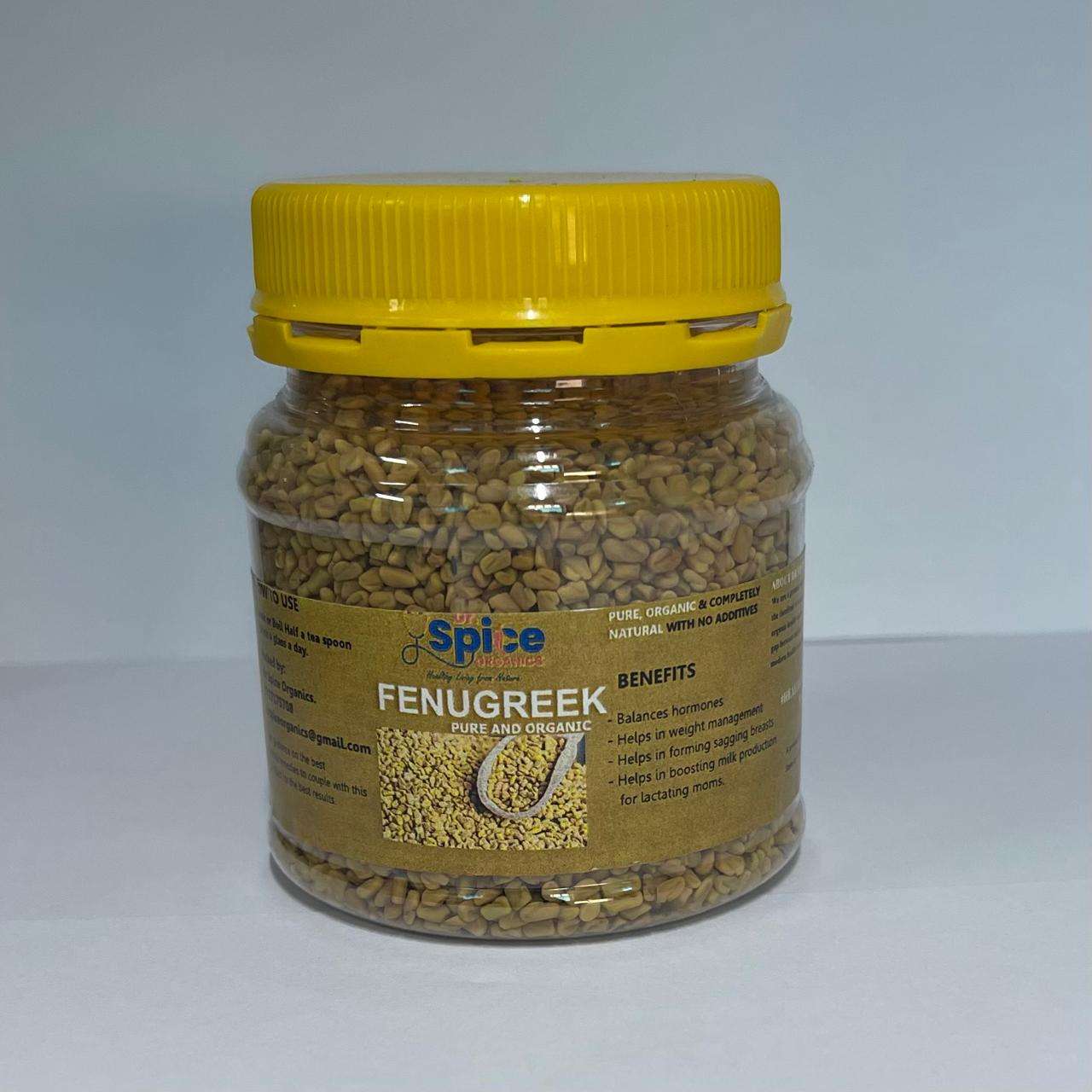
Fenugreek (Trigonella foenum-graecum L., family Fabaceae) is a historically significant leguminous seed with a well-documented phytochemical profile that bridges traditional ethnobotanical use and modern clinical pharmacology. Sourced from controlled agricultural zones utilizing regenerative soil practices, our whole seeds are harvested at physiological maturity, then air-dried at temperatures below 40 degrees Celsius to preserve thermolabile alkaloids, steroidal saponins, and heat-sensitive polysaccharides. The final product undergoes rigorous botanical authentication, heavy metal screening, and microbial compliance testing prior to nitrogen-flushed, moisture-barrier packaging.
The therapeutic efficacy of fenugreek is mechanistically defined through three primary bioactive fractions. First, 4-hydroxyisoleucine (4-OH-Ile) functions as a glucose-dependent insulin secretagogue, modulating pancreatic beta-cell K-ATP channel activity and enhancing peripheral insulin sensitivity through AMPK pathway activation. Second, galactomannan, a highly viscous soluble dietary fiber comprising greater than 50 percent of seed dry weight, forms a hydrocolloid matrix in the gastric lumen that delays carbohydrate digestion, attenuates postprandial glycemic excursions, and serves as a fermentable substrate for commensal colonic microbiota. Microbial fermentation yields short-chain fatty acids, particularly butyrate, which upregulate tight junction protein expression (occludin, ZO-1, claudin-1) and reinforce intestinal barrier integrity. Third, diosgenin and furostanolic saponins exhibit phytoestrogenic and adaptogenic properties, modulating prolactin signaling cascades to support mammary alveolar development and lactogenesis, while concurrently downregulating NF-kappaB-mediated inflammatory pathways and modulating PPAR-alpha for favorable lipid metabolism.
Processed without irradiation, solvent extraction, bleaching, or synthetic anti-caking agents. Each production batch is analytically verified via high-performance liquid chromatography (HPLC) for 4-OH-Ile and trigonelline concentrations, with supplementary validation of fiber content and heavy metal thresholds per United States Pharmacopeia (USP) and European Pharmacopoeia (EP) monographs.
Benefits
Glycemic Regulation & Insulin Sensitivity
Fenugreek seed consumption demonstrates consistent efficacy in modulating postprandial glucose metabolism. The 4-OH-Ile alkaloid stimulates insulin secretion in a glucose-dependent manner, minimizing hypoglycemic risk while improving HOMA-IR scores. Concurrently, galactomannan viscosity delays gastric emptying and reduces alpha-amylase and alpha-glucosidase activity, lowering carbohydrate absorption rates. Meta-analyses of randomized controlled trials indicate fasting glucose reductions of 15 to 22 mg/dL and HbA1c improvements of 0.5 to 1.0 percent over 8 to 12 weeks of consistent supplementation.
Lactogenesis & Prolactin Modulation
Steroidal saponins and phytoestrogens in fenugreek interact with hypothalamic-pituitary pathways to upregulate prolactin secretion and enhance mammary glandular tissue responsiveness. Clinical trials in postpartum populations demonstrate statistically significant increases in milk volume (20 to 35 percent) within 7 to 14 days of standardized dosing, alongside improved infant weight gain parameters. The mechanism appears independent of exogenous hormone administration, making it a preferred botanical for natural lactation support when utilized under professional supervision.
Gastrointestinal Barrier & Microbiome Support
The galactomannan fraction functions as a prebiotic substrate selectively utilized by Bifidobacterium and Lactobacillus species. Fermentation produces butyrate, which serves as the primary energy substrate for colonocytes and promotes epigenetic regulation of tight junction assembly. Clinical observations note improvements in stool regularity, reduction in visceral bloating, and decreased circulating zonulin levels in individuals with increased intestinal permeability.
Lipid Metabolism & Cardiovascular Parameters
Fenugreek saponins bind primary bile acids in the intestinal lumen, promoting hepatic upregulation of cholesterol 7-alpha-hydroxylase and enhancing conversion of circulating cholesterol to bile salts. Controlled trials report modest but clinically relevant reductions in total cholesterol (8 to 12 percent) and LDL-C (10 to 15 percent), with neutral or favorable effects on HDL-C and triglyceride profiles.
Trichological & Dermatological Support
Topical and systemic application of fenugreek mucilage and phytoestrogens supports scalp hydration, reduces transepidermal water loss, and modulates local inflammatory mediators associated with follicular miniaturization. The high protein and lecithin content provides structural amino acids for keratin synthesis, while antioxidant polyphenols mitigate oxidative stress in the hair follicle microenvironment.
Anti-Inflammatory & Oxidative Stress Modulation
Phenolic compounds, including vitexin, isovitexin, and quercetin derivatives, activate the Nrf2-Keap1 pathway, upregulating endogenous antioxidant enzymes (superoxide dismutase, catalase, glutathione peroxidase). Concurrently, diosgenin suppresses COX-2 and inducible nitric oxide synthase (iNOS) expression, reducing pro-inflammatory cytokine production (IL-6, TNF-alpha) in metabolic and musculoskeletal tissues.
Dosage Instructions
Whole Seeds (Soaked)
Soak 1–2 teaspoons (5–10 grams) of fenugreek seeds in a glass of water overnight.
In the morning, drink the water and chew the softened seeds on an empty stomach.
This method softens the seeds, reduces bitterness, and enhances digestibility.
Ingredients
Active Phytochemical Profile (per 5 g serving)
Trigonella foenum-graecum whole seeds, air-dried and mechanically cleaned
4-Hydroxyisoleucine: greater than or equal to 0.15 percent (HPLC-UV, C18 column, 210 nm detection)
Galactomannan (soluble dietary fiber): greater than or equal to 50 percent (AOAC 991.43 enzymatic-gravimetric method)
Diosgenin and furostanolic saponins: greater than or equal to 1.5 percent combined (spectrophotometric vanillin-sulfuric acid assay)
Trigonelline: greater than or equal to 0.35 percent (HPLC-MS confirmation)
Polyphenol content: approximately 350 mg GAE/100 g (Folin-Ciocalteu)
Processing & Analytical Verification
Harvested at physiological maturity, cleaned via mechanical sieving and air classification
Dried below 40 degrees Celsius; no irradiation, solvent extraction, or chemical bleaching
Batch-specific HPLC fingerprinting for alkaloid and polyphenol standardization
Microbial compliance: USP less than 61 total aerobic microbial count less than 1,000 CFU/g; absence of E. coli, Salmonella spp., Staphylococcus aureus, and Candida albicans
Heavy metal screening: ICP-MS validated (lead less than 1.0 ppm, cadmium less than 0.1 ppm, arsenic less than 0.5 ppm, mercury less than 0.5 ppm)
Allergen screening: ELISA-negative for soy, peanut, gluten, dairy, and tree nut cross-contamination
Packaging & Stability Parameters
Nitrogen-flushed, aluminum-laminate moisture barrier pouch with food-grade reseal zipper
Oxygen scavenger integrated to preserve polyphenol and alkaloid integrity
Shelf-life stability: 24 months at 25 degrees Celsius and 60 percent relative humidity (ICH Q1A compliant)
Store in cool, dry environment away from direct ultraviolet exposure and humidity sources
Regulatory & Dietary Compliance
Vegan certified, gluten-free verified, non-GMO confirmed, caffeine-free, kosher and halal compliant. Manufactured in facility adhering to cGMP (21 CFR Part 111) and ISO 22000 food safety standards. Certificate of Analysis available upon request.
Suitable For
Designed for adults seeking clinically validated botanical support for metabolic homeostasis, postpartum lactation enhancement, and gastrointestinal barrier reinforcement. Suitable for individuals integrating functional nutrition protocols, managing prediabetic or insulin-resistant parameters, or pursuing natural lactation support under professional guidance. Aligns with protocols addressing mild dysbiosis, increased intestinal permeability, or age-related lipid shifts. Frequently utilized by integrative practitioners, clinical nutritionists, and wellness educators formulating multi-target botanical regimens.
Not indicated for pregnant individuals, persons with diagnosed Fabaceae hypersensitivity, acute gastrointestinal obstruction, or unmanaged endocrine disorders without licensed medical oversight.
You May Also Like
Epsom Salt
View Details
Hibiscus Powder
View Details
Black Pepper
View Details